

Organizer

Organizer

Diamond Sponsor

Diamond Sponsor

Platinum Sponsor & Official Country Partner

WORLD GEOTHERMAL CONGRESS 2026

The International Geothermal Association’s Premier Global Geothermal Congress

F

FIELD TRIPS

Majestic mountains, hot and cold running water, pristine prairies, imposing boreal forests and wilderness…

Join us in Calgary for the 2026 WGC, then step into a wilderness adventure awaiting you just minutes from the centre of the modern prairie city of Calgary. The field trips offered provide excellent opportunities to not only increase your technical understanding of Canada’s geothermal and geoexchange potential, but also to explore some of its most iconic and remote landscapes by bus and by plane. 

Canada is a land of vastness, and the field trips reflect this. 

Take a few moments to peruse the offerings ranging from 1-day excursions to 5-day wilderness adventures.  Experience the rich convergence of science, sustainability, Indigenous culture, and outdoor exploration that Canada has to offer.

Registration for these trips is open through the conference registration portal: https://registration.wgc2026.com/

FIELD TRIPS

One day Trips

#07 Carbonate Geothermal Aquifers: analogues in the Western Canada Sedimentary Basin and Rocky Mountains

Friday June 12, 2026 | One (1) Day

}

Departure, Friday June 12, 7:45 AM Calgary Convention Centre

Return, 17:45 at Calgary Convention Centre (subject to traffic).

Organizers & Guides: Dr. Graham Banks, Dr. Alex MacNeil and Dr. Jean Hsieh

CAD $300

p

Includes transport, bagged lunch, water, snacks and park entrance fee.

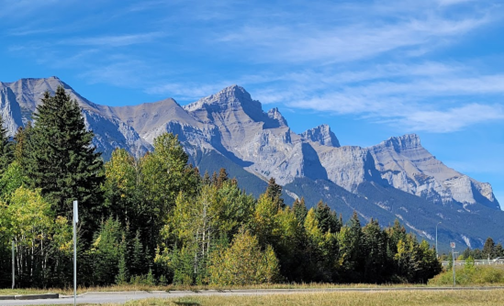
Canmore is a world-famous resort town in the Canadian Rocky Mountains, about an hour west of Calgary. This trip will revolve around visiting beautiful Canmore and its local geology. With mountain-sized outcrops of porous-permeable aquifers, a journey through a fold-and-thrust belt, and groundwater-producing facility, this field trip offers a unique analogue to geothermal sedimentary systems of the Western Canada Sedimentary Basin. It will place the participants ‘inside’ sedimentary and structural geology from resource play scale to wellbore scale. Much of the day will be viewing seismic-scale and outcrop-scale examples of carbonate reef and platform-interior deposits with varying types of pore systems. The highlight will be Grassi Lakes and the renowned outcrops of vuggy (large pore) dolostones of the Cairn and Southesk formations.  We will then hypothesize geothermal aquifer production strategies at a viewpoint of groundwater-producing petroleum wells and processing facilities.

Purpose and Objectives

A major challenge during geothermal exploration and development planning is accurately modelling subsurface hydrogeology in 3D, at play- and reservoir-scales, using widely-spaced and disparate datasets. The huge exposures of porous aquifers and fold-fault-fracture networks in the Rocky Mountains and Foothills of western Canada have been used to visualize and model subsurface geology and engineering strategies for decades.

This field trip will drive participants through sedimentary plays and aquifers, to stimulate group discussions and knowledge exchange about (a) carbonate geothermal aquifers and (b) geothermal exploration and production strategies within the magnificent settings of Alberta’s Rocky Mountains and Foothills. The purpose is to exchange knowledge and ideas between geothermal geoscientists, engineers, resource estimators, exploration managers and portfolio analysts, including:

  1. Tectonic structures and lithostratigraphy of deep, sedimentary aquifers.
  2. Modelling geothermal plays in 3D for kilometers of length.
  3. Aquifer quality and water yield potential of limestone-dolostone at the scale of a geothermal field, e.g. the distribution of porosity and permeability.
  4. The types of information and conversations needed to optimize predictions about geothermal: lithostratigraphy, thermal energy resource, wellbore locations, drilling geohazards, geological chance of success, geothermal energy yield.
  5. Opportunities and risks of using existing water-petroleum infrastructure.


Participant Requirements

The hike to Grassi Lakes is a popular 45-60 minute hike along a marked trail but has uneven ground with moderate to steep elevation changes. Proper footwear (hiking boots, no open-toed shoes) and clothing for being outdoors in bear country for several hours are needed. Parts of the trail involve climbing stair-like rocks, therefore good mobility is required.

Show Agenda Details

Stop 1: Cochrane View: observe the Foothills and Frontal Ranges of the Rocky Mountains.

Stop 2. Mount Yamnuska and the Rockies Mountain Front. Observe tectonic and structural features of sedimentary plays and aquifers at geothermal system-scale.

Stop 3: Rundle Mountain panorama. Dolomitized limestone lithostratigraphy at play-scale.

Stop 4. Grassi Lake trail head. Lithostratigraphy overview and hiking safety.

Stop 5a and 5b. Grassi Lake. Geothermal aquifer characterization of Cairn Formation.

Stop 6. Southesk Formation outcrop. Geothermal aquifer characterization of cliff. Lunch.

Stop 7. Hike to lower lake. Geothermal aquifer characterization of Cairn Formation cliff.

Stop 8. Jumping Pound Complex (sour gas and groundwater production and processing) viewpoint. Group discussions to strategize where and how to develop hot sedimentary aquifers in terms of above ground risks, groundwater solutes, bottom-hole temperature, use of existing infrastructure, and the value of regional-scale and wellbore-scale data.

#08 Clastic Geothermal Aquifers: Analogues in the Western Canada Sedimentary Basin and Rocky Mountains

Saturday June 13, 2026 | One (1) Day

}

Departure, Saturday June 13, 7:45 AM Calgary Convention Centre

Return, 18:00 at Calgary Convention Centre (subject to traffic).

Organizers & Guides: Dr. Jon Noad and Dr. Graham Banks

CAD $200

p

Includes transport, bagged lunch, water, snacks and park entrance fee.

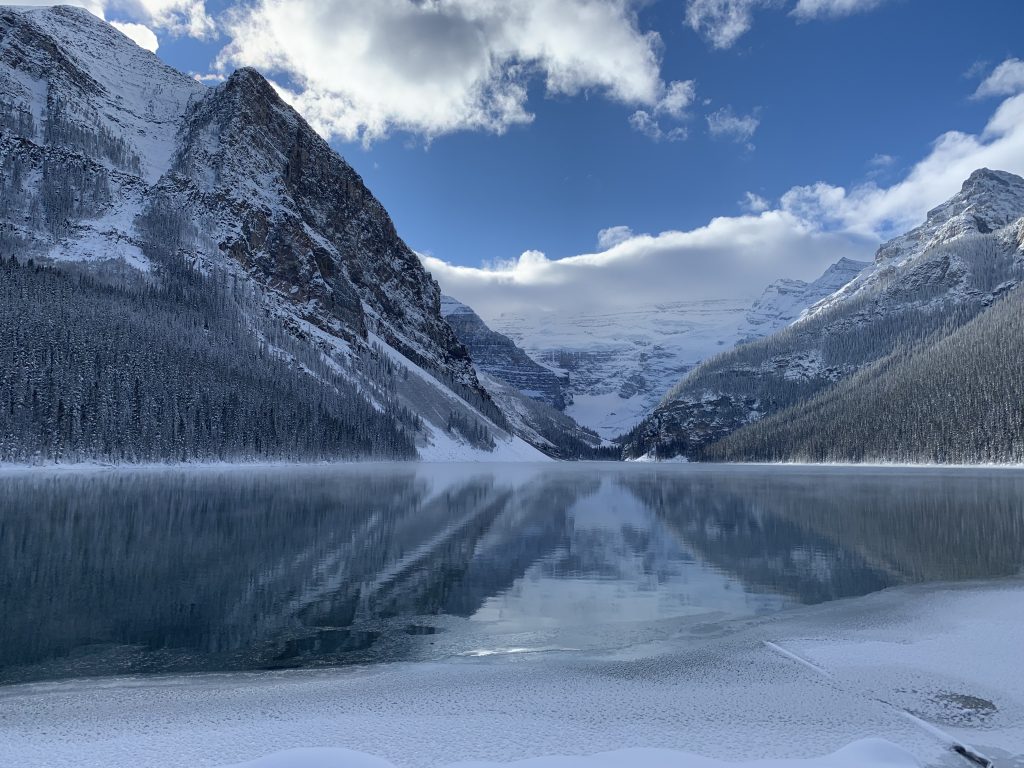
Lake Louise and Banff regions are world-renowned icons in the Canadian Rocky Mountain Parks UNESCO World Heritage Site. This trip will revolve around visiting these breath-taking places and their geology. Aligned with the World Geothermal Congress 2026 in Calgary, this field trip takes you into basin-scale and play-scale sedimentary aquifers and structural geology of Canada’s Rocky Mountains. With mountain-sized outcrops of porous-permeable aquifers, a transect through a fold-and-thrust belt, and groundwater-producing facility, this field trip offers a unique analogue to geothermal sedimentary systems of the Western Canada Sedimentary Basin. It will place the participants ‘inside’ clastic sedimentary and structural geology from resource play scale to wellbore scale. Travelling from Calgary, participants will cross the Foothills fold-and-thrust belt to the Front Ranges of the Rocky Mountains. Much of the day will be viewing seismic-scale and outcrop-scale examples of siltstone and quartzite aquifers with matrix and fracture porosity. A highlight will be hiking along the world-famous Lake Louise and its renowned outcrops of fractured quartzites of the Gog Quartzite formation.  We will finish the day brainstorming geothermal aquifer production strategies at a viewpoint of groundwater-producing petroleum wells and processing facilities.

Purpose and Objectives

The purpose of this field trip is to stimulate group discussions and knowledge exchange about (a) clastic geothermal aquifers and (b) geothermal exploration and production strategies. These will occur whilst stood ‘inside’ the sedimentary and structural geology of Alberta’s Rocky Mountains and Foothills.

The target audience is geothermal geoscientists, engineers, regulators, resource estimators, exploration managers and portfolio analysts.

A major challenge during geothermal exploration and development planning is accurate modelling of subsurface hydrogeology in 3D, at province- to play- to reservoir-scales, using widely-spaced and disparate datasets. The play-scale exposures of porous aquifers and fold-fault-fracture networks in the Rocky Mountains and Foothills of western Canada have been used to visualize and model subsurface geology and engineering strategies for decades. This field trip will drive participants through sedimentary geothermal plays and aquifers.

  1. Tectonic structures and lithostratigraphy of deep, sedimentary aquifers.
  2. Modelling geothermal plays in 3D for kilometers of length.
  3. Aquifer quality and water yield potential of limestone-dolostone at the scale of a geothermal field, e.g. the distribution of porosity and permeability.
  4. The types of information and conversations needed to optimize predictions about geothermal: lithostratigraphy, thermal energy resource, wellbore locations, drilling geohazards, geological chance of success, geothermal energy yield.
  5. Opportunities and risks of using existing water-petroleum infrastructure.

Participant Requirements

The hike along Lake Louise is a popular, 1.5 km hike along a marked trail and the path is relatively flat. One rise along the path is somewhat steeper and requires good mobility. Sturdy footwear with closed toes is recommended, and for those who wish to ascend the scree slope at the Lake to hunt for trace fossils, walking boots are a necessity. The other stops are also on level terrain but loose rubble may be encountered at the Sink Lake stop. The ever changing weather in Alberta requires a range of clothing including warm gear for cold conditions, a waterproof jacket and a sun hat.

Show Agenda Details

Stop 1: Cochrane View. Observe the Foothills and Rocky Mountains. Use a seismic cross-section to envisage aquifer volumes and geothermal Resources in the clastic, sedimentary aquifers.

Stop 2: Banff Meadows. Geological structures of aquifers exhumed from  >3 km deep.

Stop 3: Outcrop near Sink Lake. Quartzite lithostratigraphy at play-scale.

Stop 4. Outcrop near Spiral Tunnels. If time allows. Outcrops of quartzite lithostratigraphy and complex folding to discuss drilling strategies to maximize aquifer drainage.

Stop 5: Lunch at Bow valley Parkway.

Stop 6. Lake Louise. Hike to see quartzite aquifers, their porosity-permeability and trace fossils.

Stop 7. Wildcat Hills Gas Extraction Plant viewpoint. Group discussions to strategize where and how to develop hot sedimentary aquifers, i.e. groundwater solutes, bottom-hole temperature, reservoir quality, use of existing infrastructure, and the value of data.

#10 Majestic Mountains and Hot and Cold running water: Banff at its finest

Friday June 12, 2026 | One (1) Day

}

Departure, Friday June 12, 8:30 AM Calgary Convention Centre

Return, 17:30 (5:30 pm) at Calgary Convention Centre (subject to traffic)

Organizer / Guide: Dr. Steve Grasby

CAD $210

p

Includes transportation, bagged lunch and entrance fee (water and snacks will be available on the bus).

This one-day trip will travel through the Canadian Rocky Mountains to examine the fault control on deep groundwater circulation and manifestation of thermal and mineral springs. We will travel through Banff and Kootenay national parks, as well as cross over the Great Divide and travel along the height of the Rockies into British Columbia.

The trip will be suitable for average fitness levels, requiring walks through the forest of up to 20 minutes including stair climbs and walking on unpaved trails and wooden boardwalks that may be slippery. We will be in bear country and suitable precautions will be taken.

Show Agenda Details

Stop 1 Many Springs

The trip will start at Many Springs which discharge along the shallow dipping McConnell Fault, the first thrust fault of the Canadian Rocky Mountains at this latitude.

Stop 2 Banff townsite

We will then move to Banff National Park, and the Banff town site which was settled around the Banff Hot Springs. Here numerous springs discharge along the Sulphur Mountain Thrust.

Stop 3 Cave and Basin

We will stop at the Cave and Basin hot springs which is also the birthplace of Canada’s National Park system. Here the springs form large travertine mounds that are being consumed by sulphuric acid, sourced from hydrogen sulphide gas generated by microbial communities in the spring waters. The microbial mats in the spring are also the food of the Banff Springs snail, the only endangered animal in Banff National Park.

Stop 4 Great Divide

After the tour will continue over the Great Divide (the drainage divide between the Atlantic and Pacific oceans) into the province of British Columbia and Kootenay National Park.

Stop 5 Paint Pots

Here we will visit the Paint Pots, an acid spring depositing thick mounds of iron-oxides used by indigenous peoples for millennia and by early settlers as a source of pigment.

FIELD TRIPS

Three+ day Trips

#03 Prairies and Pronghorns: Saskatchewan’s Geothermal and Carbon Sequestration Potential

June 12-14, 2026 | Three (3) Days

}

Departure, Friday June 12, 7:30 AM Calgary Convention Centre

Return, Sunday, June 14, 5:30 PM Calgary International Airport (subject to road and flight conditions)

Organizer / Guide: Brian Brunkskill

CAD $1,800

p

Includes transportation (airfare and bus), 2 nights single accommodation, 1 breakfast, 2 lunches and entrance Fee to Temple Spa. Participants are responsible for one breakfast and three dinners and beverages (water and snacks will be available on the bus).

TRIP COST AND INTERARY SUBJECT TO CHANGE DUE TO CONDITIONS AT TIME OF TRAVEL.

Visit Saskatchewan, Alberta’s eastern neighbour to experience the vast prairie landscape of the southern half of the province. We will fly to Regina, Saskatchewan’s capital city before embarking on short road trips to Estevan, to visit SaskPower’s Boundary Dam thermal power plant carbon dioxide capture project and Aquistore’s carbon dioxide injection / storage site.

Once back in Regina, the Petroleum Technology Research Centre (PTRC) will present additional information on the geology and technology of the Estevan-area projects that we have visited. We will learn about the City of Regina’s new civic aquatic center complex that will use geothermal energy as its direct heat supply, and the long history of the Temple Gardens natural warm mineral water spa in nearby Moose Jaw. We will then travel to the Regina geothermal construction site, then to Moose Jaw to experience the spa and other Moose Jaw attractions.

Enroute back to Regina for the return flight to Calgary, we will drive by and learn about Mosaic’s Belle Plaine potash solution-mining operations of one of the world’s largest potash reserves.

Show Agenda Details

Friday June 12 – Depart Calgary Convention Center at 7:30AM for the short transfer to the Calgary International Airport. WestJet Flight is scheduled to leave Calgary at 9:35am arriving in Regina around 11:00 am local time. Transfer to coach for 2-hour drive south to Estevan. Arrive at SaskPower Boundary Dam thermal power plant site to tour the CO2 capture facility. Carry on with a short bus trip to the surface facility of Aquistore’s CO2 – injection site. We will enjoy dinner in Estevan before returning to Regina for the evening.

Boundary Dam CCS: https://www.saskpower.com/our-power-future/infrastructure-projects/carbon-capture-and-storage/boundary-dam-carbon-capture-project

Aquistore: https://ptrc.ca/aquistore

Lunch will be provided. Suggestions for self-paid dinner will be provided.

Saturday June 13 – Travel from our hotel to the PTRC offices where we will be given formal presentations on the geology and technology behind the operations that we visited in Estevan. We will also learn about geothermal energy in Saskatchewan, old and new – the historic Temple Gardens Spa in Moose Jaw and Regina’s new aquatic centre project. We will visit the new swimming pool construction site and then make the short drive to Moose Jaw for overnight at the Temple Gardens Spa.

Temple Gardens Spa: https://www.templegardenshotel.com/

Regina Aquatic Centre Geothermal Project: not built yet

Lunch will be provided. Suggestions for self-paid dinner will be provided.

Sunday June 14 – We will depart Moose Jaw mid-morning for our return drive to Regina. Enroute we will observe Mosaic’s Belle Plain mine site where world-class potash reserves are mined. We will be dropped off at the Regina airport around noon for our return flight to Calgary to end the trip. WestJet flight leaving at 15:15 arriving Calgary 16:57. Participants are responsible for their own transportation back to Calgary hotels or other destinations.

#01 Yukon’s Indigenous Leadership in Ground Source Heat

June 12-16, 2026 | Five (5) Days

}

Departure, Friday June 12, 8:30 AM Calgary Convention Centre to Calgary International

Return, Tuesday, June 16, 12:00 noon at Calgary International Airport

Organizer / Guide: Sarah Newton; Jasmin Raymond, Fiona Chapman

CAD $4,200

p

Includes air and bus transportation, four bagged lunches, three dinners and three breakfasts (water and snacks will be available on the bus). Trip ends at Calgary International airport

Embark on an unforgettable journey to experience the emerging geothermal opportunities in the northern Yukon Territory with this exclusive field trip, designed to complement your experience at the World Geothermal Conference. Over five action-packed days (including a full day to visit historic Whitehorse), explore the ways Indigenous communities in the Yukon are evaluating the potential of geothermal energy and ground-source heat pumps (geoexchange) through immersive tours and experiences.

Start with a visit to Atlin, where you’ll see the groundbreaking Taku River Tlingit First Nation ground-source heat pump project installed in their administrative building and coupled with a warm spring-fed lake and be welcomed to this small and charming mountain community. Continue your adventure with a visit to the Kluane Lake Research Centre in the breathtaking Kluane National Park, where you’ll gain insights into the region’s unique fault systems and heat flow, followed by a thrilling hike through the stunning landscape. We will also explore a local geothermal project on the Denali fault system in Burwash Landing and their wind energy project learning more about how First Nations are leading the way in renewable energy systems. Delve into indigenous wisdom at Long Ago People Place, learning how ancient cultures harnessed the thermal storage properties of rocks, before finishing with a rejuvenating soak in the Eclipse Hot Springs.

This field trip is a perfect blend of cultural immersion, natural beauty, and geothermal experiences—truly an adventure you won’t want to miss!

Show Agenda Details

Day 1, Friday June 12

Transportation to YYC Airport to embark on Air North Flight 4N701 to Whitehorse leaving YYC 10:50am – arriving in Whitehorse YXY 13:55 (local time)

Drive to Atlin BC; Tour of First Nation administration building ground source heat pump project; Drive to Warm Springs; Welcome feast and dancing by the Taku River First Nation; Stay overnight in Atlin.

Day 2, Saturday June 13

AM departure for Kluane Lake Research Centre; Stop in Haines Junction for lunch and visit Daku Cultural Centre/Kluane National Park Info Centre; Drive to Kluane Park Research Station; Evening hike; Stay at Kluane Lake Research Centre (KLRC).

Day 3, Sunday June 14

Day hike with geological tour AM; Lunch at KLRC; Tour of research site in Burwash Landing including wind turbine; Presentation on fault systems and heat flow in Yukon; Return to KLRC

Day 4, Monday June 15

Drive to Long ago People Place; Tour at Long Ago People Place and discussion on indigenous use of rocks to store and transfer heat. Drive to Whitehorse; Geological Tour/Hike of Whitehorse; Check in at hotel, dinner in Whitehorse (not provided); Evening trip to Eclipse Hotsprings.

Day 5, Tuesday June 16

5:00AM Transportation to YXY Airport to embark on Air North Flight 4N702 direct to Calgary YYC 06:35am – arriving in Calgary 11:40 (local time)

#02 Majestic Mountains and Rejuvenating Hot Springs: Soaking in the Geothermal Wonders of the Kootenays
June 12-16, 2026 | Five (5) Days

}

Departure, Friday June 12, 8:30 AM Calgary Convention Centre

Return, Tuesday, June 16, 18:30 (6:30 PM) at Calgary Convention Centre (subject to traffic)

Organizer / Guide: Rochelle Longval; Dr. Catherine Hickson

CAD $2,300

p

Includes transportation, 4 nights accommodation, 5 lunches and entrance fees to hot springs. Does not include breakfasts OR dinners, (Participants can expect to expend another $300 for these items), plus additional for optional entrance fee to Cody Caves.

TRIP COST AND INTINERARY SUBJECT TO CHANGE DUE TO CONDITIONS AT TIME OF TRAVEL.

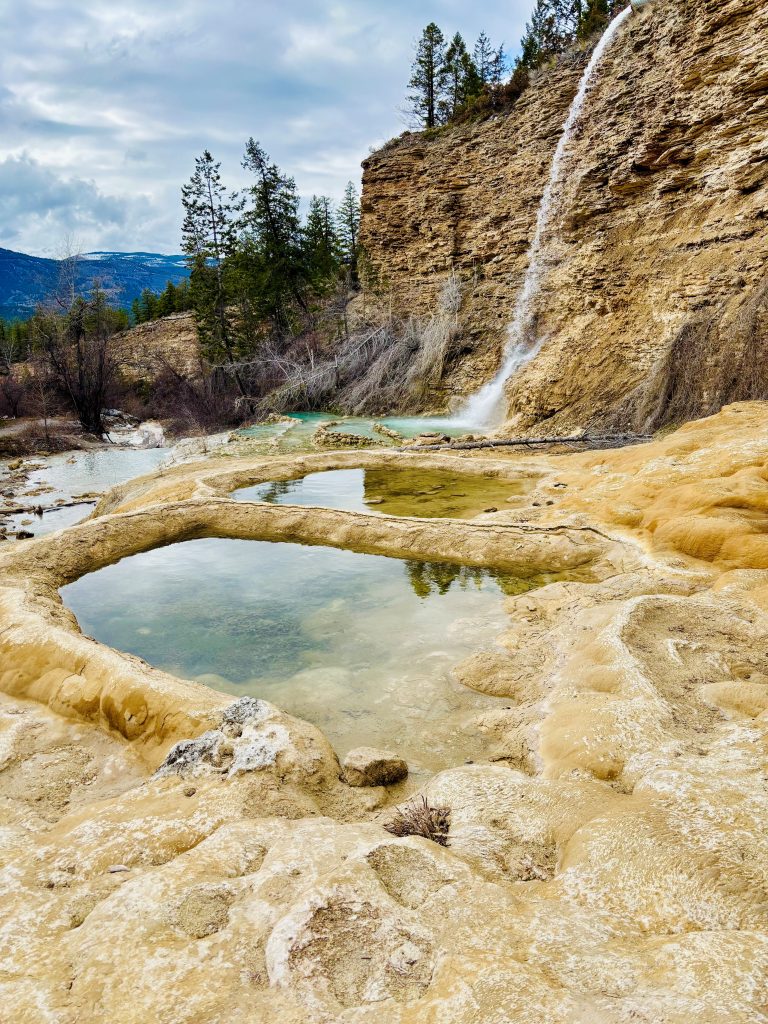
The Kootenay Hot Springs field trip offers an immersive experience through the natural beauty and geothermal wonders of British Columbia. The journey will take us through the Rocky, Purcell, Selkirk, and Monashee Mountain Ranges, exploring the region’s geological history and diverse ecosystems, from cascading waterfalls and ancient cave systems to towering old growth forests.

Following the iconic Hot Springs Circle Route, the adventure leads to five natural hot springs, nestled in the mountains, known for their therapeutic qualities. Each stop reveals a profound connection between land and water shaped over centuries. Among them are the sacred Nupika wu’u, “Spirit Waters,” whose cultural significance remains deeply rooted in the traditions of the Indigenous communities who have long cherished them.

Amidst this beauty lies a hidden source of energy. Through visiting the historic mining town of Riondel, you will learn about the Kootenay Lake Project and its efforts to evaluate the region’s untapped geothermal energy potential to provide accessible energy to local communities.

With scenic ferry crossings, soaking in mineral-rich hot springs waters, locally inspired cuisine, and Indigenous history, this journey offers a unique opportunity to experience the intersection of geoscience, sustainability, and community resilience, all set within the breathtaking mountain landscapes of British Columbia.

Show Agenda Details

Day 1 – Friday June 12: Depart Calgary at 8:30 AM for a scenic walkthrough Marble Canyon, followed by a relaxing soak at Radium Hot Springs. Settle into the Fairmont Resort, home to a historic stone bathhouse where the Ktunaxa and Shuswap Nations first discovered the region’s thermal healing waters.

Day 2 – Saturday June 13: Explore Riondel, the old mining town, and learn about the Kootenay Lake Project evaluating the local geothermal energy potential. A ferry ride leads to the town known as “Little Switzerland,” the charming village of Kaslo where a cozy check-in awaits and a lively evening at the local brewery.

Day 3 – Sunday June 14: Nestled in the Selkirk Mountains, Ainsworth Hot Springs offers Nupika wu’u (Spirit Waters), traditional soaking pools and a natural cave creating a sauna-like experience. Adventurers can explore Cody Caves on a guided tour or enjoy a leisurely walk to Fletcher Falls with sightseeing around town.

Day 4 – Monday June 15: A visit to Nakusp Hot Springs awaits with beautiful views along the river walk with access to the rejuvenating hot spring source. Nearby at Halcyon Resort, enjoy the panoramic view of the Monashee Mountains and immerse yourself in the locally inspired flavours of the Kootenays.

Day 5 – Tuesday June 16: Crossing the Upper Arrow Lake Ferry, the journey continues through iconic National Parks with a stop at the Giant Cedars Boardwalk to share the historical significance of Canyon Hot Springs. The journey concludes with a final gathering in Canmore, set against the backdrop of the Canadian Rockies, at the Grizzly Paw Pub before returning to Calgary at 6:30pm.

#06 Tu-Deh-Kah Northern Rockies Wilderness Cultural & Educational Field Trip

June 12-16, 2026 | Five (5) Days

}

Departure, Friday June 12, 8:30 AM Calgary Convention Centre to Calgary International

Return, 12:00 noon at Calgary International Airport

Organizer / Guide: Cyndi Bonn; TBA

CAD $4,100

p

Includes transfer from Calgary Convention Center to Calgary Airport, airfare YYC-YXJ return, bus transportation from Fort St. John, 4 nights accommodation, and all meals and cultural events. Optional excursions are listed below.  Trip ends at Calgary International Airport

This Tu-Deh-Kah Geothermal Excursion offers a rich convergence of science, sustainability, Indigenous culture, and outdoor exploration, a truly transformative experience for the World Geothermal Congress 2026 delegates. Embark on an extraordinary five-day journey blending geothermal learning, Indigenous knowledge sharing, and immersive outdoor experiences in the Northern Rockies.

This curated cultural and educational field trip, aligned with the World Geothermal Congress 2026 in Calgary, invites participants to explore renewable energy development, Dene cultural practices, and the breathtaking landscapes of northeastern British Columbia.

Trip Highlights

  • Community-led learning on the land
  • Geothermal education and site visit at Tu-Deh-Kah Geothermal
  • Hands-on Dene cultural teachings and workshops
  • Indigenous Engagement & Consultation session
  • Outdoor adventures and wellness activities
  • Wildlife viewing opportunities
  • Abundant and diverse photography opportunities

Add – Ons: (Optional)

  • Fly-in Fishing excursion & accommodation upgrade Northern Rockies Lodge lakeside chalets: CAD $2,000 per person
  • Bush Pilot Adventure (2-4 hours): CAD $500 per person
  • Backcountry ATV Adventure (day trip): CAD $750 per person
Show Agenda Details

June 12 – Calgary to Fort St. John

Depart 8:30 AM Convention Centre to Calgary International Airport AC Flight to Fort St John departing 10:15am (via YVR))

The adventure begins with a scenic drive from Fort St. John to Fort Nelson (approx. 4 hours). Upon arrival, participants will tour the Tu-Deh-Kah Geothermal Project site, the first Indigenous-owned geothermal power project in Canada – led by Fort Nelson First Nation representatives. A Treaty and Land Workshop at Snake River (weather permitting) offers a unique opportunity to engage with historical and contemporary land rights discussions. The evening includes check-in at local accommodations, followed by dinner and a guided tour of the Fort Nelson Heritage Museum, highlighting the region’s early oil and gas exploration and drilling history.

June 13 – Liard Hot Springs Exploration After checking out of the hotel, the group travels to Liard Hot Springs. Guests will enjoy time to relax and explore the natural thermal pools, surrounded by boreal forest. A geothermal workshop led by Daniel Alonso-Torres, Geothermal Exploration Specialist at Barkley Project Group, will deepen participants’ understanding of the geothermal gradient and its relationship to the region’s unique thermal features.

June 14 – Summit Lake Excursion & Cultural Evening The day begins with a morning drive to Summit Lake for an invigorating 10 km hike to Flower Springs, followed by an outdoor picnic lunch. Returning to Liard Hot Springs in the evening, participants will engage in hands-on cultural workshops including dreamcatcher or mini drum-making, moose hide tanning, and traditional teachings with Teleia Dettieh. A Dene wellness and cultural reflection session will create space for personal and group insights. The evening concludes with an Indigenous Engagement & Consultation workshop facilitated by the Tu Deh-Kah Geothermal team: Cyndi Bonn, Taylor Behn-Tsakoza and Andrea Warren.

June 15 – Smith River Falls & Muncho Lake Adventure A full-day guided excursion with Peak Wyld Tours takes participants to the majestic Smith River Falls, Muncho Lake, and other scenic landmarks. The day features hiking, sightseeing, and wildlife viewing opportunities.  Known as the Serengeti of the North, Wood Buffalo, Black Bear, Grizzly Bear, Caribou, Elk, Moose, Deer, Stone Sheep, Mountain Goat, Wolf, and Coyote have been spotted in the area. (sightings not guaranteed). The group returns to Liard Hot Springs for a farewell dinner and evening campfire, fostering kinship and reflection under the midnight sun.

June 16 – Return to Fort St. John and onward to Calgary The journey concludes with a return drive to Fort St. John, including a lunch stop in Fort Nelson. Participants depart with strengthened connections, deeper cultural awareness, and inspiration for advancing community-led renewable energy.

Depart Fort St John 15:25 arrive 20:28 Calgary Airport (Fort St John via YVR to Calgary)). Trip ends at Calgary International Airport. Participants are responsible for their own transportation back to Calgary hotels or other destinations.

More field trips will be added soon. Registration for these trips is open through the conference registration portal: https://registration.wgc2026.com/